
The Direct Financial Pledge Model
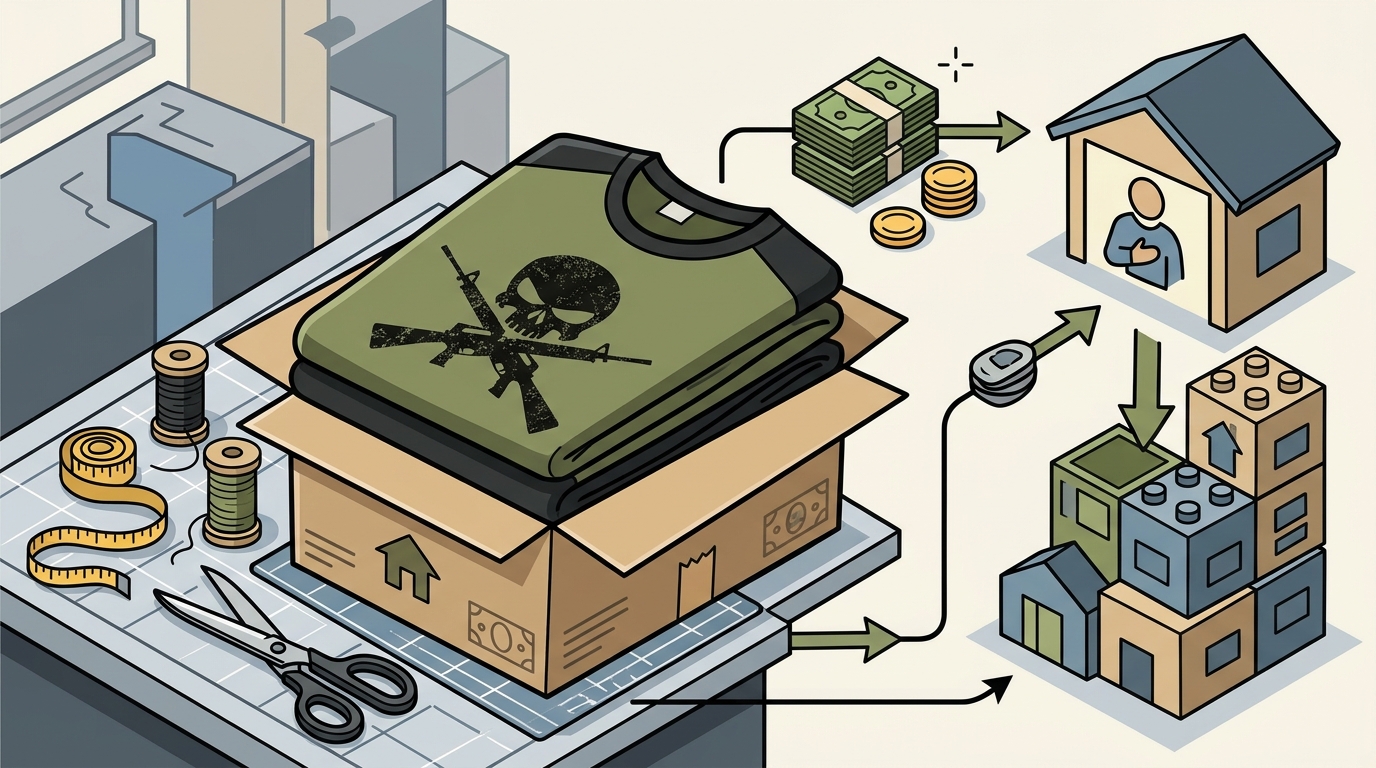
Many veteran-owned brands operate on a transparent donation model. War 'N' Tees is a prime example of this approach. The brand is founded by a U.S. Army Infantry veteran who established a locked pledge. This pledge ensures that no less than 21% of net profits from qualifying offerings goes to veteran-focused nonprofits. This is not a vague promise; it is a structural commitment to the business model. The funds are not used for marketing or overhead but are directed specifically to organizations fighting homelessness and hopelessness.
The implication of this model is that every purchase acts as a micro-donation. You are not just buying a t-shirt; you are funding a specific mission. This direct line of sight allows consumers to verify that their money is reaching the intended recipients. It transforms a routine retail transaction into a civic action with measurable social impact.
Targeting the Magnificent 7 Nonprofits
The effectiveness of the donation depends on where the money goes. War 'N' Tees directs its pledged funds to a specific group of organizations referred to as the Magnificent 7. These include Warfighter Advance, F3 Nation, Team RWB, Flanders Fields, Project Diehard, Project Refit, and Operation Homefront. Each of these entities has a distinct focus within the veteran support ecosystem. Some focus on immediate housing placement, while others provide long-term mental health counseling and community integration.
By supporting a diverse portfolio of nonprofits, the brand ensures that funds address various facets of the crisis. Homelessness is rarely just about a lack of a roof; it is often intertwined with PTSD, addiction, and social isolation. Funding organizations like Project Diehard, which focuses on suicide prevention, or Operation Homefront, which provides family support, creates a comprehensive safety net. This multi-pronged approach is more effective than funding a single type of service.
The Role of Authentic Storytelling in Funding
Consumer willingness to donate is often driven by emotional connection and trust. Veteran-made apparel brands leverage authentic storytelling to build this trust. War 'N' Tees, for instance, features combat photography and memoirs from the founder’s service in Diyala, Iraq. These stories are not generic; they are raw, personal accounts of service and sacrifice. This authenticity resonates with buyers who want to support real people, not just a logo.
The evidence for this approach is seen in the brand’s product lines, such as the “Wartime Snapshots” collection. These items serve as tangible reminders of the veteran experience. When a customer wears a shirt featuring a real combat photo, they become a walking ambassador for the cause. This visibility helps normalize conversations about veteran struggles and encourages others to contribute. The implication is that the apparel itself is a tool for advocacy, extending the impact of the purchase beyond the initial donation.
Understanding the Scale of the Crisis
To understand the impact of these donations, one must grasp the scale of veteran homelessness in America. While exact numbers fluctuate, the crisis remains a significant challenge for the nation. The funds raised through apparel sales contribute to a larger ecosystem of support. Nonprofits like those in the Magnificent 7 use these resources to provide case management, job training, and emergency housing. Without consistent funding from sources like veteran-owned brands, many of these programs would face severe budget shortfalls.
The implication of sustained funding is stability. Homeless veterans need long-term support, not just one-time aid. By providing a reliable stream of revenue, apparel brands help nonprofits plan and execute long-term strategies. This stability is crucial for helping veterans transition from homelessness to stable, independent lives. It is a slow but steady process that requires consistent financial backing.
Key Takeaways
- Direct Pledge: Brands like War 'N' Tees pledge a fixed percentage (NLT 21%) of profits to veteran nonprofits.
- Targeted Impact: Funds are directed to specific organizations like Operation Homefront and Project Diehard.
- Authenticity Matters: Veteran-owned brands use real stories and photos to build trust and drive sales.
- Comprehensive Support: Donations help address housing, mental health, and suicide prevention simultaneously.
- Sustainable Funding: Apparel sales provide a reliable revenue stream for long-term veteran support programs.
- Consumer Power: Buying mission-driven gear turns a retail purchase into a direct act of charity.
Frequently Asked Questions
What percentage of sales does War 'N' Tees donate?
War 'N' Tees pledges no less than 21% of net profits from qualifying offerings to veteran-focused nonprofits.
Which nonprofits receive the donations?
Donations are directed to the Magnificent 7, including Warfighter Advance, F3 Nation, Team RWB, Flanders Fields, Project Diehard, Project Refit, and Operation Homefront.
Is the donation tax-deductible?
War 'N' Tees does not claim that any single purchase is tax-deductible unless an official page states otherwise. The donation is part of the business model, not a separate charitable contribution.
How does buying apparel help with veteran homelessness?
By funding nonprofits that provide housing, mental health services, and community support, apparel sales help address the root causes of veteran homelessness.
Who founded War 'N' Tees?
War 'N' Tees was founded by Sgt. Darrius Varnell Dickerson, a U.S. Army Infantry veteran and Iraq War veteran.
What types of products does War 'N' Tees offer?
The brand offers apparel, accessories, signed books, and digital tools rooted in lived service experience. Learn more: Contact information War N.