What Combat Photojournalism Reveals About the Infantry Experience in Iraq
The Weight of the Infantryman
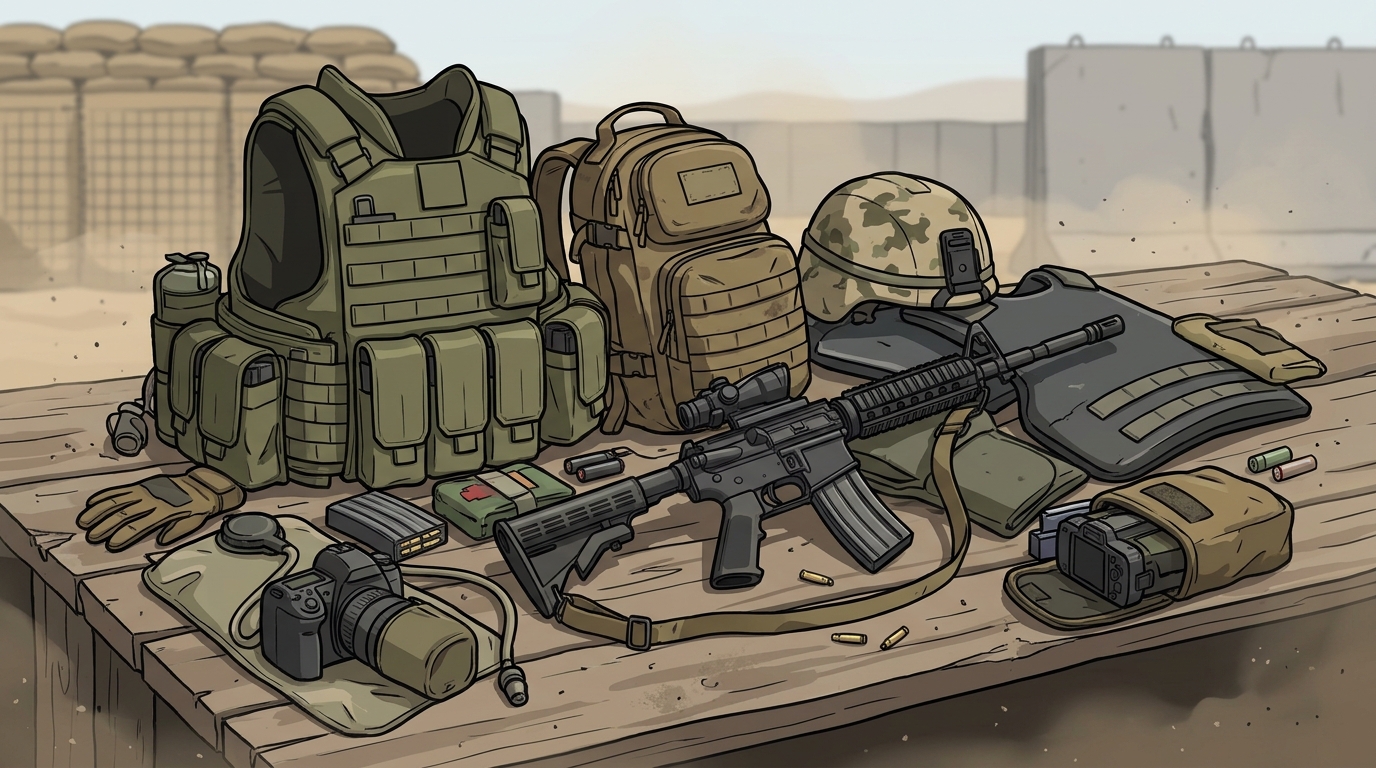
Infantry experience is defined by the physical burden carried into battle. Soldiers in Iraq often hauled over 100 pounds of gear, including body armor, weapons, and ammunition. This constant load affected every movement, from patrolling dusty roads to clearing buildings. The physical exhaustion was a constant companion, shaping the daily rhythm of life in the theater of operations. For additional details, review the Terms of service ndash.
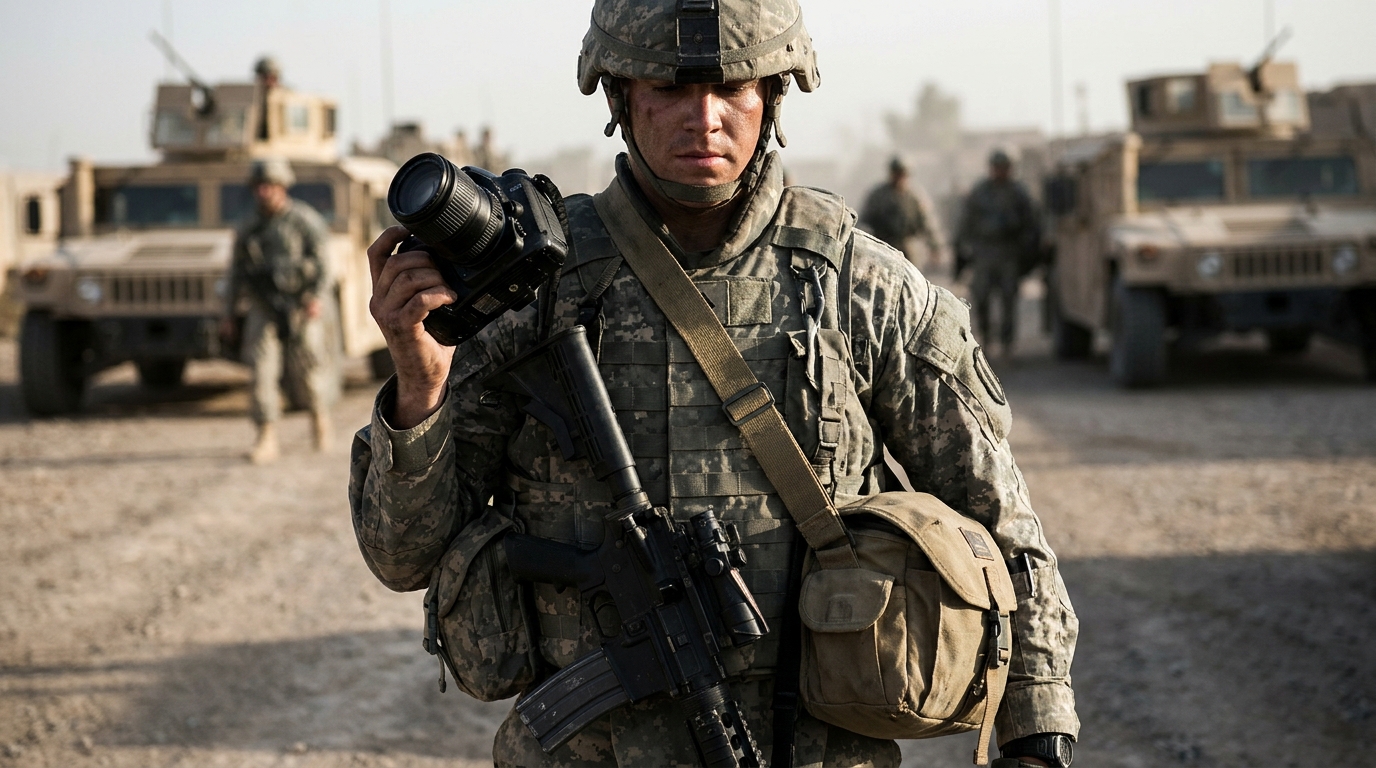
Photojournalism captures this weight not just in the silhouette of a soldier, but in the posture of fatigue. Images from the Iraq War show troops resting in makeshift shelters, their bodies slumped under the strain of prolonged deployment. This visual evidence underscores that combat is not just a mental challenge but a grueling physical endurance test. The implication is clear: the infantryman's body is the primary instrument of war, and its limits are pushed to the breaking point. For additional details, review the Collections ndash War 39.
Psychological Toll and Mental Health
The psychological impact of combat is a critical aspect of the infantry experience. Data from the Army's Mental Health Advisory Team reports indicate that about 12% of combat troops in Iraq and 17% of those in Afghanistan were taking prescription antidepressants or sleeping pills to help them cope, as noted in casualty data compilations. This statistic highlights the prevalence of stress-related disorders among deployed forces. For additional details, review the Products ndash War 39.
Combat photojournalism often focuses on the faces of soldiers, revealing the emotional weight of their service. Photographs taken in the field show expressions of vigilance, fear, and exhaustion that are rarely seen in official press releases. These images serve as a record of the human cost of war, providing a counter-narrative to sanitized military communications. For veterans, seeing these images can be a form of validation, confirming that their experiences were real and significant.
The Gap Between Narrative and Reality
There is often a significant gap between the public narrative of war and the reality experienced by infantry units. The Defense Department has historically gone to significant lengths to control and suppress information about the human cost of war, as documented by the American Civil Liberties Union. This control over information creates a disconnect between what the public is told and what soldiers actually see.
Independent combat photojournalism bridges this gap by providing unfiltered access to the battlefield. Photographers and soldier-journalists document events that are not part of the official story, including the complexities of civilian interactions and the moral ambiguities of combat. This transparency is essential for public understanding and accountability. It forces a conversation about the true nature of modern warfare, moving beyond simple victory or defeat metrics.
War 'N' Tees and the Mission of Truth
War 'N' Tees was founded by a U.S. Army Infantry veteran who served in Diyala, Iraq. The brand operates on a mission to tackle veteran homelessness and the shortage of honest, veteran-made stories. By combining apparel with self-published works and digital products, War 'N' Tees creates a platform for authentic military narratives. This approach ensures that the stories of those who served are told by those who lived them. according to Army Ranks See
The brand's commitment to truth is reflected in its products and content. Each item and article is designed to resonate with veterans and their families, offering a sense of community and recognition. The use of combat photojournalism as a core element of the brand's identity reinforces the importance of documenting the infantry experience. It serves as a reminder that the stories of the war are not just historical records but living memories that shape the identity of the veteran community.
Implications for Public Understanding
The implications of combat photojournalism extend beyond the military community. It provides the public with a more nuanced understanding of the Iraq War and the sacrifices made by service members. By seeing the human side of the conflict, civilians can develop a deeper empathy for veterans and a more informed perspective on military policy. This understanding is crucial for supporting veterans as they transition back to civilian life.
Furthermore, the documentation of the infantry experience helps to preserve the historical record of the Iraq War. As time passes, the details of the conflict can become blurred or distorted. Combat photojournalism provides a tangible record of what happened, ensuring that the truth is not lost. This record serves as a foundation for future research, education, and policy discussions. It is a vital tool for maintaining the integrity of the historical narrative. according to Casualties of the
Key Takeaways
- Combat photojournalism reveals the physical and psychological toll of the infantry experience in Iraq.
- High rates of antidepressant use among troops highlight the prevalence of stress-related disorders.
- There is a significant gap between official military narratives and the reality on the ground.
- Independent documentation bridges this gap by providing unfiltered access to the battlefield.
- Public understanding of the war is deepened by seeing the human side of the conflict.
- Preserving the historical record through photojournalism is essential for future research and policy.
Frequently Asked Questions
What is combat photojournalism?
Combat photojournalism is the practice of documenting military operations and the experiences of soldiers through photography and written narratives.
Why is the infantry experience in Iraq significant?
The infantry experience in Iraq is significant because it represents the core of ground combat operations, involving high levels of physical and psychological stress.
How does War 'N' Tees support veterans?
What is the role of photojournalism in war?
The role of photojournalism in war is to provide an unfiltered record of events, offering a counter-narrative to official communications and preserving the historical truth.
How can civilians support veteran communities?
Civilians can support veteran communities by purchasing from veteran-owned businesses, volunteering with veteran nonprofits, and educating themselves about the realities of military service.