
Veteran Homelessness Nonprofits Funded by Apparel and Book Sales
The Funding Mechanism
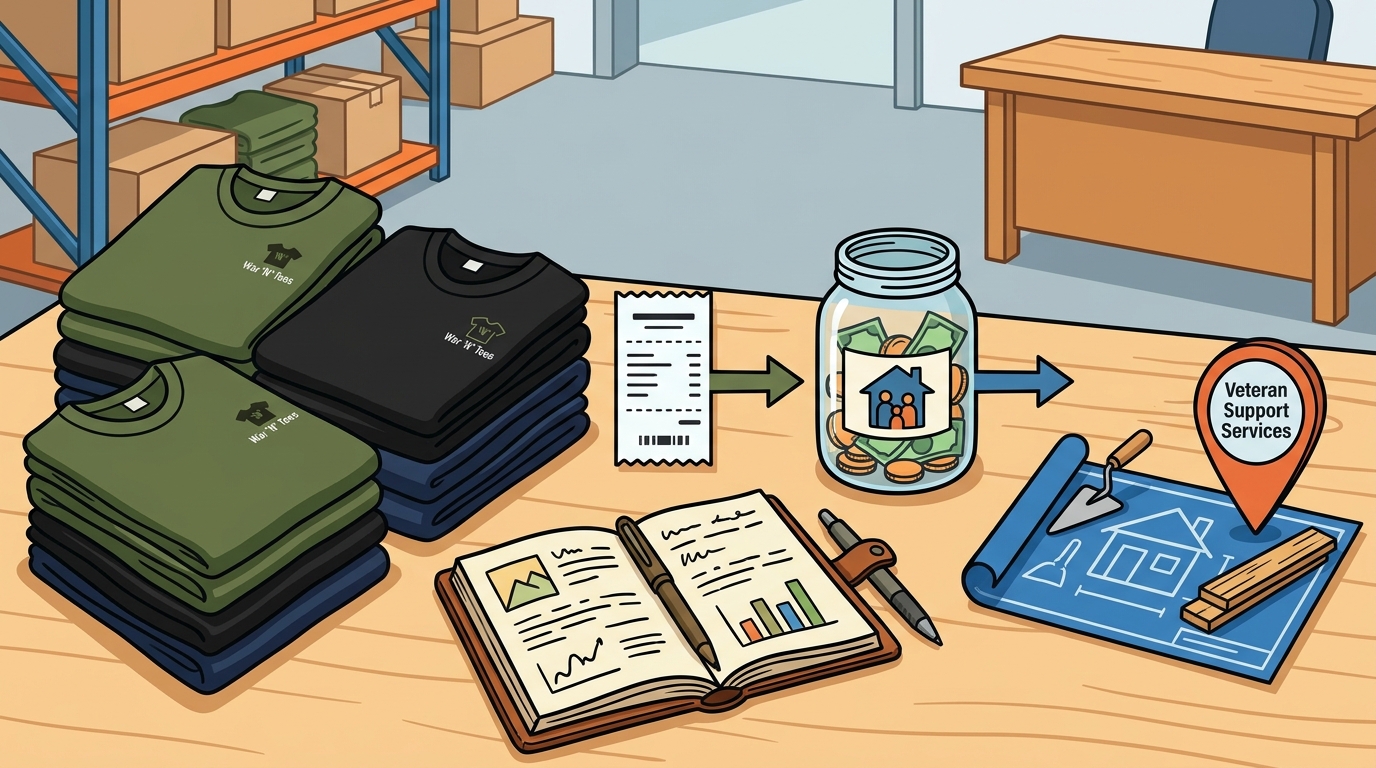
The primary mechanism for funding these organizations is the profit-sharing model. A profit-sharing model is a business strategy where a fixed percentage of net earnings is donated to a charitable cause. For War 'N' Tees, this commitment is non-negotiable. The brand guarantees that no less than 21% of net profits from apparel and digital products goes to veteran nonprofits. This structure differs from traditional corporate giving, which often relies on discretionary budgets that can be cut during economic downturns. By tying donations to sales volume, the funding stream remains consistent and scalable. For additional details, review the Contact information ndash War.
This approach creates a direct line between the customer and the veteran in need. When a supporter buys a shirt, a portion of that transaction is immediately earmarked for housing assistance. This transparency builds trust within the veteran community. It signals that the brand is not just selling a product, but participating in a mission. The consistency of this funding allows nonprofits to plan long-term programs rather than relying on sporadic grants. For additional details, review the About Us ndash War.
Local VFW Posts
National Housing Initiatives
National organizations also benefit from this funding model. A national housing initiative is a large-scale program designed to address veteran homelessness across multiple states. These organizations often have the infrastructure to coordinate resources and advocate for policy changes. Funding from apparel and book sales helps them expand their reach and improve their services. The scale of these initiatives requires significant capital, which is often difficult to secure through traditional grants alone. For additional details, review the Terms of service ndash.
Mental Health Support
The effectiveness of these programs is often measured by the number of veterans who successfully complete treatment and secure stable housing. By funding these initiatives, apparel brands contribute to a holistic approach to veteran support. This approach addresses not just the immediate need for shelter, but also the underlying mental health issues that contribute to homelessness. The result is a more sustainable and effective solution to the crisis. For additional details, review the Collections ndash War 39.
Key Takeaways
- War 'N' Tees donates a minimum of 21% of net profits to veteran nonprofits. For additional details, review the Products ndash War 39.
- Local VFW posts are key recipients of these funds, providing direct community support.
- National housing initiatives use this funding to expand their reach and impact.
- The profit-sharing model ensures a consistent and scalable funding stream.
- Transparency in funding builds trust within the veteran community.
Frequently Asked Questions
What percentage of profits does War 'N' Tees donate?
War 'N' Tees donates no less than 21% of net profits to veteran nonprofits.
Which specific nonprofits receive these funds?
Funds go to local VFW posts and national organizations focused on veteran housing and mental health.
How does the profit-sharing model work?
A fixed percentage of net earnings is automatically donated to charitable causes, ensuring consistent funding.
Why is local VFW post support important?
Local posts provide immediate, face-to-face assistance and serve as the first line of defense against homelessness.
What role does mental health support play?
Mental health programs address the root causes of homelessness, such as PTSD and depression, ensuring long-term stability.