
Career transition coaching from an Iraq combat veteran is a structured process that translates military leadership, tactical discipline, and operational experience into civilian career frameworks. It moves beyond generic resume tips to address identity, adaptability, and the specific psychological shifts required to leave a structured military environment. This approach helps veterans secure meaningful employment that matches their qualifications and personal values. For additional details, review the Contact information War N.
Identity and Adaptability in Transition
Shifting from a structured military culture is a critical juncture in the lives of military veterans. Many face career adaptation, identity conflict, and social integration challenges that standard transition programs often fail to address. Coaching from a combat veteran focuses on resolving this identity conflict by helping the veteran redefine their professional self outside of a chain of command.
Research indicates that combat veterans are significantly more likely to report that their readjustment to civilian life was difficult compared to those without combat experience. A study found that 46% of combat veterans reported difficult readjustment, compared to 18% of non-combat veterans. This gap highlights the need for coaching that specifically addresses the psychological weight of combat service. The implication is that effective coaching must validate the veteran's past while building a sustainable future identity.
Translating Military Skills to Civilian Value
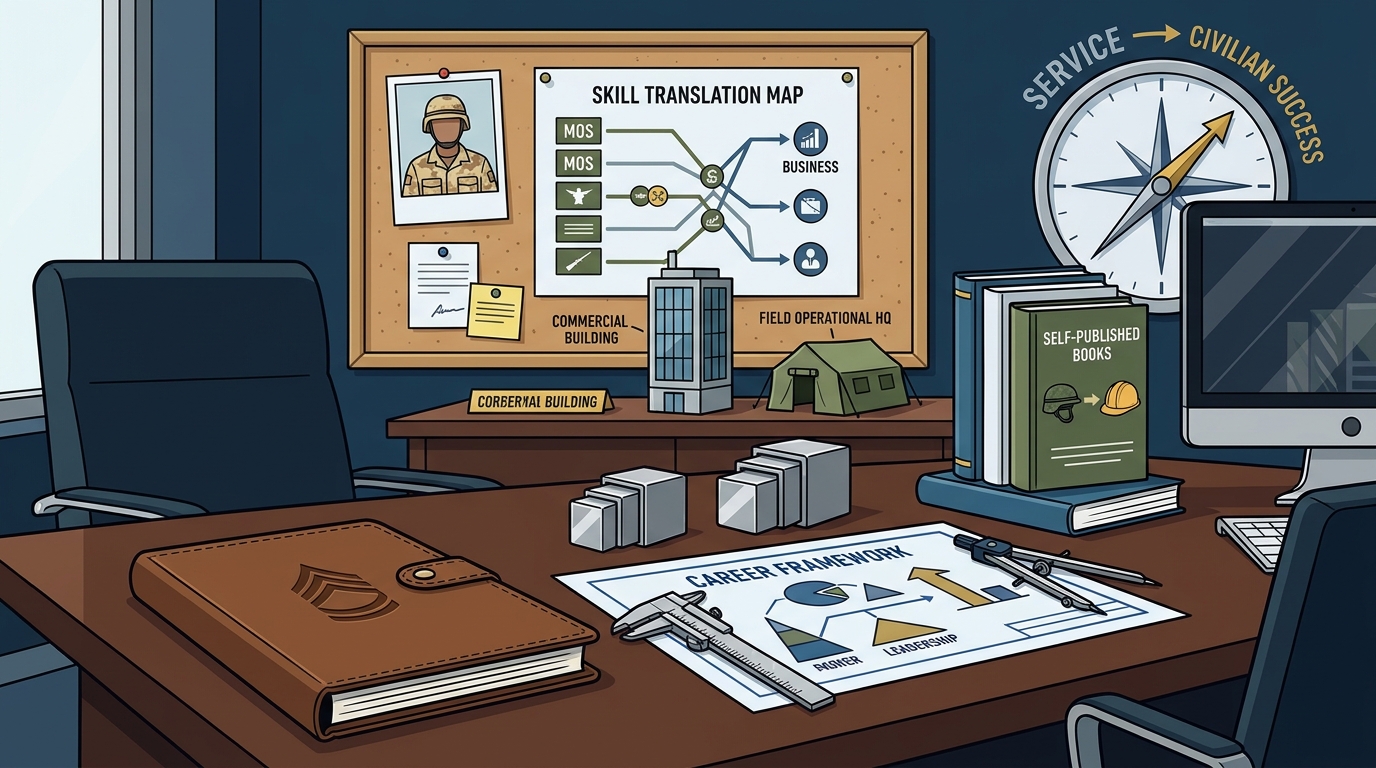
Translating military experience to civilian work is a direct instruction component that is strongly associated with career advancement and promotions. Veterans often struggle to articulate how their tactical skills apply to corporate or small business environments. Coaching provides the vocabulary to bridge this gap, turning operational orders into project management strategies and unit leadership into team building.
For example, a veteran who led a squad in Diyala Province can learn to frame that experience as leading cross-functional teams under high-pressure constraints. This specific translation is crucial because many veterans settle for dead-end jobs that do not match their preferences or qualifications. By mastering this translation, veterans can target roles that offer genuine career growth rather than just employment. according to Military Veteran Career
Structured Protocols and Discipline
Structured protocols are defined as standardized procedures that ensure consistent execution of tasks. In the context of career coaching, these protocols provide the framework for daily habits, goal setting, and performance tracking. Veterans are accustomed to Standard Operating Procedures (SOPs), and applying this mindset to career development creates a reliable system for progress.
War 'N' Tees, a brand founded by an Iraq War veteran, integrates this disciplined approach into its personal development offerings. The brand’s philosophy emphasizes that loyalty and discipline are not just military traits but professional assets. By using structured protocols, coaching ensures that veterans do not just find a job but build a career with the same rigor they applied in service. This method reduces the anxiety of the unknown by providing a clear, repeatable process for career milestones. according to Among Transitioning Veterans
Building a Civilian Support System
Building a civilian support system is the process of establishing a network of mentors, peers, and professional contacts outside the military. Networking is a critical component of career success, with data suggesting that a significant portion of jobs are filled through referrals rather than public postings. Coaching helps veterans navigate these social dynamics, which can feel alien after years of service in a tight-knit unit.
Measuring Success and Long-Term Growth
This holistic view of success ensures that veterans are not just employed but thriving. It addresses the broader impact of transition on life satisfaction. By focusing on long-term growth, coaching from a combat veteran provides a roadmap that respects the depth of the veteran's experience and aims for a fulfilling civilian career. according to Veterans to workplace
Key Takeaways
- Career transition coaching from a combat veteran addresses specific identity and adaptation challenges that generic programs often miss.
- Translating military skills into civilian vocabulary is a direct instruction component linked to promotions and career advancement.
- Structured protocols and SOPs provide a familiar framework for veterans to manage their career development with discipline.
- Building a civilian support system is essential, as a large portion of jobs are filled through networking rather than public ads.
- Long-term success is measured by career growth, earnings, and overall well-being, not just initial job placement. according to Military Veterans Midlife
- War 'N' Tees supports this mission by providing gear and stories that reflect the values of service and discipline.
Frequently Asked Questions
What is the main difference between veteran coaching and standard career counseling?
Veteran coaching specifically addresses the identity conflict and social integration challenges unique to those leaving a structured military environment, often using military terminology and frameworks to build trust.
How does combat experience affect career transition?
Combat experience can make readjustment more difficult, with studies showing higher rates of reported difficulty among combat veterans compared to non-combat veterans, necessitating specialized support. according to Transitioning from the
What are structured protocols in career coaching?
Structured protocols are standardized procedures used to guide daily habits and goal setting, leveraging the veteran's familiarity with military SOPs to create a reliable career development system.
Why is translating military skills important?
Translating military skills is important because it allows veterans to articulate their tactical and leadership experience in terms that civilian employers understand, helping them secure roles that match their qualifications.
Does War 'N' Tees offer career coaching services?
War 'N' Tees is a veteran-owned brand that offers personal development products and stories rooted in lived service, supporting the broader mission of helping veterans transition and thrive.
How can military spouses support the transition?
Military spouses can support the transition by participating in career readiness programs and helping to build a civilian support network, which is crucial for long-term career success.
Conclusion
Career transition coaching from an Iraq combat veteran is a specialized discipline that honors the depth of military service while providing practical tools for civilian success. It addresses the unique psychological and professional challenges of leaving the military, ensuring that veterans are not just employed but fulfilled. For those seeking to support this mission, War 'N' Tees offers a range of products and stories that reflect the values of service, discipline, and loyalty. To explore how you can support veteran nonprofits and access mission-driven gear, visit the War 'N' Tees homepage.